




Finding the Fairway: A Grounded Approach to Golf & Club Management Job Prospecting
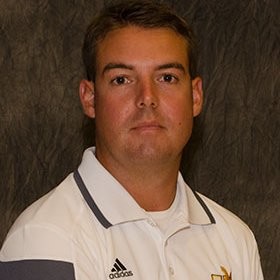
By: Shaun Tyler, MBA, BComm, PGA of Canada Class "A"
Professor, Sport Management Program
Faculty of Business, Humber Institute of Technology and Advanced Learning
With May marking Mental Health Awareness Month, it’s worth recognizing that a job search in the golf and club management industry requires both professional discipline and personal resilience. Seasonality, competitive roles, and the relationship-driven nature of the industry can intensify the pressure and really turn up the heat for those “go-getter” types. Finding the appropriate balance and recognizing the signs of burnout varies between us all and is certainly easier said than done, but approaching the process with efforts that both stabilize and emphasize mental wellness is critical to maintaining performance and keeping a positive outlook.
Searching for a new job can be perceived as a very, very lonely individual exercise, but by incorporating and utilizing current positive relationships with friends, family, or anyone of relevant trust can make the journey feel like less of a solo mission. Referring to the 5 “C’s” of Mental Health in tandem is a great way to establish a sound baseline for internal measurement which aid in outlining and conducting a self-assessed “vibe check” that can work wonders and keep you grounded as your search progresses:
5 “C’s” of Mental Health
- Connection: Building and maintaining positive relationships with family, friends, and colleagues to combat loneliness and foster a sense of belonging.
- Compassion/Character: Practicing self-compassion, empathy towards others, and living with integrity/character. Staying positive/emphasizing a growth outlook are essential for a successful job search.
- Coping: Developing healthy strategies and techniques to manage stress and handle bounce back from challenges and rejection (e.g., journaling, exercise, meditation).
- Community: Engaging with a larger, supportive network that offers mutual support and shared purpose. There are many in the club space to chat with!
- Care and Confidence: Proactively managing self-care (physical and emotional) and maintaining a confident, positive self-image and self-talk.

7 Practical Ways to Manage Your Job Search Without Burning Out
- Establish a Professional Routine That Mirrors the Industry
The golf/club industry operates on structure—daily opening/closing operations, regular standing reservations/events, and overall seasonal cycles. Your job search should mirror that same flow/discipline. Dedicating specific time blocks to networking, job applications, and professional development, while also safeguarding time for rest and recovery creates directed structure. This prevents burnout and ensures consistency over what can sometimes be a prolonged or “lengthy” process. (See reference link below from the Government of Canada for further details on burnout).
- Prioritize Relationship-Building Over Transactional Applying
Success in club management is rooted in relationships - your job search should reflect this reality. Placing effort and focusing on meaningful conversations with industry professionals that are of the gate-keeper variety—General Managers, Department Heads, Directors of Hospitality/Golf, etc.—rather than blindly submitting applications is much more effective than spamming resume submissions to multiple application portals. This approach not only enhances opportunities but also strengthens a sense of connection and meaning to where your energy is going. Quality over Quantity in action.
- Measure Progress by What You Can Control
Outcomes or responses to networking efforts are not always immediate. As an applicant, controlling your attempts to connect and the interviewing outcome is totally out of your scope…Shift your focus toward metrics that you can solely depend on: number of industry conversations and connections, quality of tailored applications, and engagement in professional development. This maintains momentum and reduces the emotional impact of delayed responses.
- Normalize and Reframe Rejection
Roles within clubs are often highly competitive and influenced by timing, internal candidates, or cultural fit. Hearing the word “NO” should be viewed as part of the process, not a reflection of your capability. Maintaining a growth perspective allows you to learn, adjust, and remain confident in your long-term trajectory.
- Maintain Connection with the Industry
During a job search, it’s easy to feel disconnected from the environment you’re working to re-enter or advance within. Stay engaged—visit facilities, attend industry events, or sign up for some continued education and training courses. Getting involved and keeping a finger on the pulse of the industry reinforces your passion and helps sustain/showcase motivation.
- Protect Your Time and Energy
The demands of the industry already require high levels of energy and interpersonal engagement. Its more or less a full-time effort – easier said than done if your job prospecting is being done alongside current employment responsibilities. Pre-establishing a daily working timeframe and prioritizing exercise, rest, and time “off” from the search process is essential.
- Seek Mentorship/Peer Support Resources
Leverage the strong community within the Club industry. CMAC mentors and peers can provide perspective, guidance, and encouragement during this period of uncertainty. Their insight can also help you refine your approach and identify opportunities you may not have considered. It also keeps you top of mind should they hear of a specific vacancy.
Programs such as the
CMAC Mentorship Program and employment resources from the
PGA of Canada can be valuable supports during this time.

In review, a career in Club Management is built on professionalism, relationships, and long-term growth. Your job search should reflect these same principles.
By integrating structure that protects recovery time, staying connected and emphasizing quality connections, and seeking those that have found previous successes, you position yourself not only to secure the right opportunity (while keeping your sanity), but to enter your new role with clarity, confidence, and enough energy to perform duties in a meaningful fashion.
References
Government of Canada. (n.d.). Preventing burnout. https://www.canada.ca/en/government/publicservice/wellness-inclusion-diversity-public-service/health-wellness-public-servants/mental-health-workplace/preventing-burnout.html
Horton International. (n.d.). The 5 C’s of mental health. https://hortoninternational.com/5-cs-of-mental-health/
As a “Class A” professional member of the PGA of Canada, Shaun has been involved in numerous roles within the golf and club industry for the past 20 years, ranging from upper management at both private and public facilities to teaching and coaching elite student athletes with the Humber Varsity Men’s and Women’s golf teams. Aside from his duties as a Professor in the Sport Management Program, he is a Senior Coordinator with the PGA of Canada in the Employment Department and sits as a committee member with the Club Managers’ Association of Canada, and well as the PGA of Ontario in the Career Awareness and Professional Development spaces respectively.
With a passion for sport and environmental management as an academic, Shaun has also been involved with publishing business cases that focus on Sustainability and Environmental Resiliency. Previously involved as an instructor within the Professional Golf Management program here at Humber, Shaun has lectured in the areas of organizational and tournament operations management, event planning, retail management, as well as micro and macroeconomics. More recently, Shaun has been involved with courses in the Sport Management program within the realms of sport marketing, entrepreneurship, public and media relations, research methods, sociology of sport, ethics and a special topics course that specifically incorporates various aspects of culture and community into sport and sport programming.

Contact Info
 | 1401-2045 Lake Shore Blvd. W. Toronto, ON M8V 2Z6 |
 | (416) 878-6066 |
 | admin@cmacontario.com |
About Us
The Ontario Branch of the CMAC has more than 80 clubs, mostly private golf, yacht, athletic and city clubs located in central and southern Ontario between Brantford on the West and Belleville on the East. At over 250 members, it is the largest Branch in CMAC and offers tremendous value for members through professional development, excellent opportunities for networking, promotion of club management as a career, and support through scholarships and donations.
Follow Us!


© Club Management Association of Canada - Ontario Branch. All rights reserved.