



Marcel Bregstein Chevalier, CCM/Sommelier
Assistant General Manager, Toronto Hunt Club
Great wine service is about much more than opening a bottle and pouring it into a glass.
It is about temperature, presentation, pacing, knowledge, and, perhaps most importantly, reading the guest.
After enough time behind a busy club bar, you learn that the smallest details can make a surprisingly big difference. A bottle served at the right temperature, a clean pour, a recommendation that actually suits the person asking—all of these things contribute to the experience.
Members may not know every technical detail of wine service, but they know when service feels polished.
Here are some of the lessons I’ve learned behind the club bar.
Start With Temperature
One of the most common wine-service mistakes is serving wine at the wrong temperature.
Let's start with red wine.
“Room temperature” is an outdated guideline. Modern indoor temperatures are often much warmer than the traditional cellar or room temperatures at which red wine was historically served.
When a red wine is served too warm, the alcohol becomes more noticeable and can taste hot or sharp. Fresh fruit flavours can become muted or overly jammy, and the wine can feel heavy, flat or even “soupy.” The balance between fruit, acidity, alcohol and tannin is diminished.
The simple fix is a short chill.
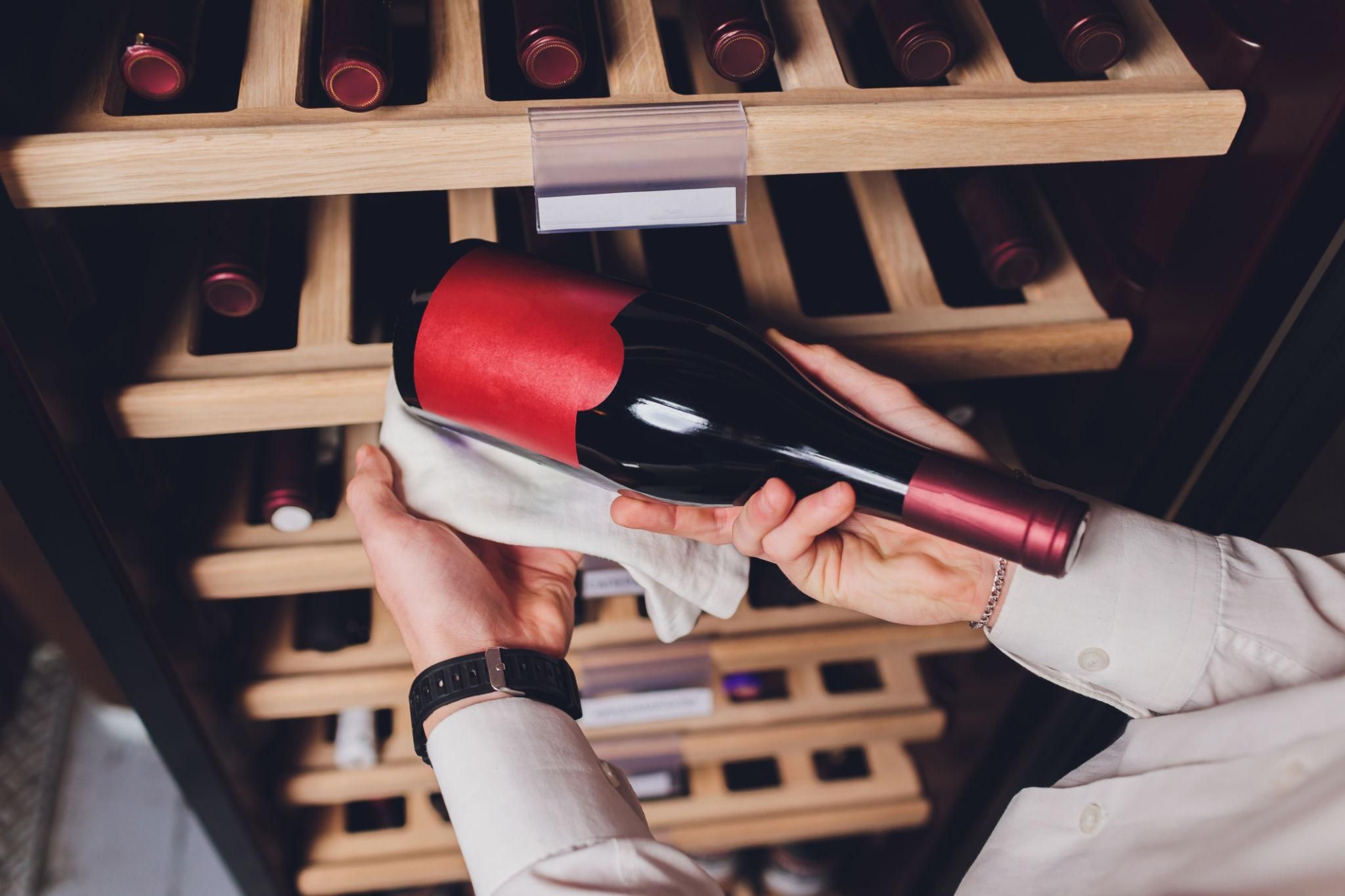
For many lighter and medium-bodied reds, 15–30 minutes in the refrigerator can make a significant difference. Even full-bodied reds can benefit from being served slightly below typical room temperature.
The goal isn't to make red wine cold. It is to make it fresh, balanced and expressive.
White wine presents the opposite problem.
Taking a bottle directly from a very cold refrigerator and immediately pouring it can suppress its aromas and flavours. When white wine is too cold, aromas become faint, fruit and floral characteristics are harder to detect, and oak or mineral notes can disappear. The acidity can dominate the palate and the wine may feel tight and closed.
A Sauvignon Blanc may be enjoyable relatively cool, while a richer Chardonnay often shows better when it is slightly warmer.
I use what I call the 20-minute rule as a useful starting point: if a red is too warm, give it approximately 20 minutes in the refrigerator. If a white is extremely cold, give it approximately 20 minutes out of the refrigerator.
It isn't a rigid rule. Bottle size, wine style, room temperature and guest preference all matter.
The Ice Bucket Needs Water
Here's one of the easiest service upgrades, and it costs nothing.
Ice alone is not the most effective way to chill a bottle.
Fill the wine bucket approximately half with ice and half with cold water.
The water fills the spaces between the ice and creates much more contact with the bottle. This chills the wine more efficiently and evenly than ice alone. It also makes it easier to keep the entire bottle—including the shoulders and upper portion—properly chilled.
It's a small detail, but these are exactly the kinds of details that separate adequate service from great service.
Presentation: Small Details Matter
A professional wine pour should look effortless.
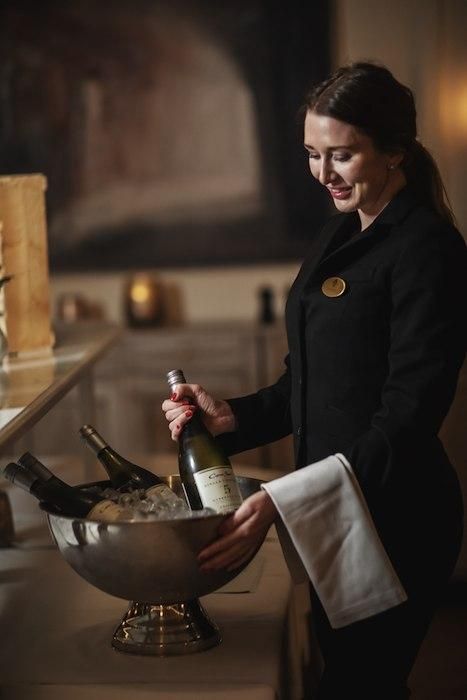
When presenting or pouring a bottle, keep the label visible. Never cover it with your hand if you can avoid it. The Member should be able to see what they are drinking.
Cut the capsule cleanly below the lip of the bottle. This creates a cleaner presentation and reduces the chance of wine running over the capsule during pouring.
Then there is the final drop.
At the end of the pour, use a controlled, subtle rotation of the bottle to catch that last drop. It prevents the classic wine drip down the side of the bottle.
It should look effortless.
And one rule should never be forgotten: never touch glass to glass.
The bottle should never touch the rim of the guest's wine glass. A professional pour is controlled, quiet and clean.
These details may seem minor, but they are part of the experience. Good wine service should make the Member feel that someone is paying attention.
Serve the Guest, Not the Ritual
Excellent wine service isn't only about technique.
It is about reading the room.
When a bottle is ordered, present it to the person who ordered it. Allow the host to inspect the label and offer a small taste for approval. Once the wine is approved, serve the other guests.
There are traditional patterns for serving a table, and they can be useful. But consistency and awareness are more important than rigidly following a particular direction simply because that's the way it has always been done.
The same applies to the amount of wine in the glass.
Don't overfill it.
As a general guideline, pour to around the widest part of the bowl for standard still-wine service. This leaves room for swirling, aroma collection and proper tasting, while also giving the glass a clean, elegant appearance.
Then pay attention to the guest's pace.
This is one of the most important lessons behind any successful bar:
Do not make the guest drink at your speed.
If someone drinks slowly, allow the glass to remain comfortably low. If a table is enjoying the wine more quickly, stay attentive and replenish naturally.
Top off subtly when appropriate—but never pressure someone to drink faster.
Good service feels attentive, not intrusive.
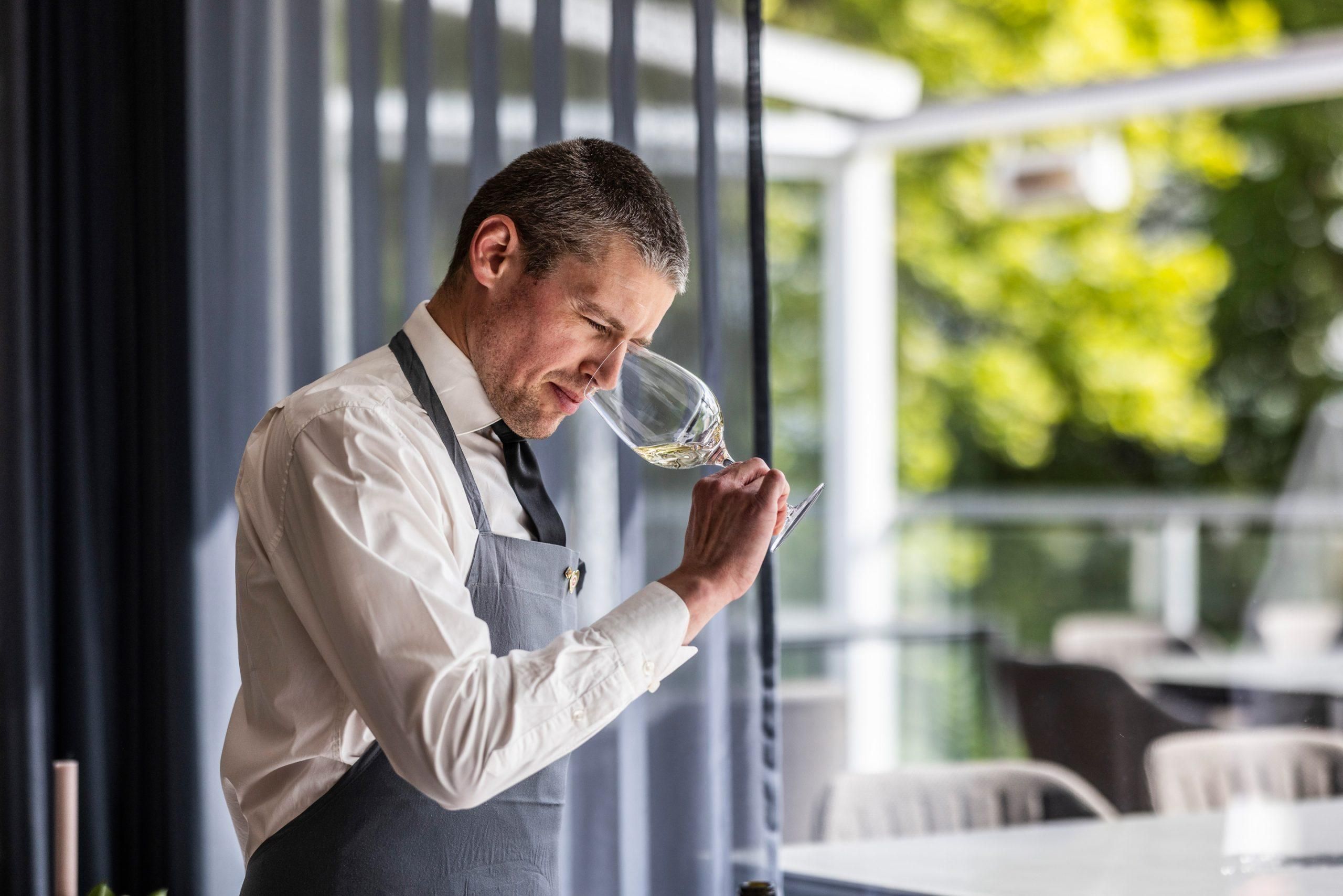
You Don't Need to Be a Sommelier
You don't need to be a sommelier to provide excellent wine service.
But you should understand the fundamentals.
The four structural characteristics every server should recognize are sweetness, acidity, tannin and body.
Sweetness describes the amount of residual sugar perceived in the wine. Wine can range from bone-dry to very sweet. Most table wines served with meals are dry, but sweetness becomes particularly important when pairing wine with spicy foods and desserts.
Acidity gives wine its refreshing, mouthwatering quality. High-acid wines often feel crisp and lively, and they can be particularly useful with seafood, salads, rich sauces, fried foods and creamy dishes.
Tannins create the drying, puckering sensation commonly associated with strong black tea. They primarily come from grape skins, seeds and stems, as well as oak in some wines. Cabernet Sauvignon is a good example of a wine where tannin can play a major role.
Finally, there is body.
Body describes how heavy, rich or substantial a wine feels on the palate.
Think about the difference between skim milk and whole milk.
A light-bodied wine feels delicate. A full-bodied wine feels richer and more substantial.
Once you understand these characteristics, recommending wine becomes much easier.
The Best Recommendation Starts with a Question
One of the most common questions we hear is:
“What would you recommend?”
Don't immediately name a bottle. Ask a few simple questions first: Red or white? Light or bold? Dry or slightly sweet? Crisp or rich? Fruity or earthy? And, most importantly, are they pairing it with food or simply looking for something to sip?
These questions tell you far more than simply asking whether someone “likes wine.”
Price is also part of the conversation.
You should have at least one confident recommendation at several price levels. Never make the guest feel that the only good wine is the most expensive wine.
And know your list.
You should be able to navigate it quickly, whether it is organized by varietal, region, country, style or price.
You should also know your house pours.
By-the-glass wines are often where Members interact with the wine program most frequently. Know what each wine tastes like, where it comes from, its major characteristics, what food it pairs with and, most importantly, why you would recommend it.
That last part matters.
A tasting note tells you what a wine is. A recommendation explains why it is right for this particular guest.
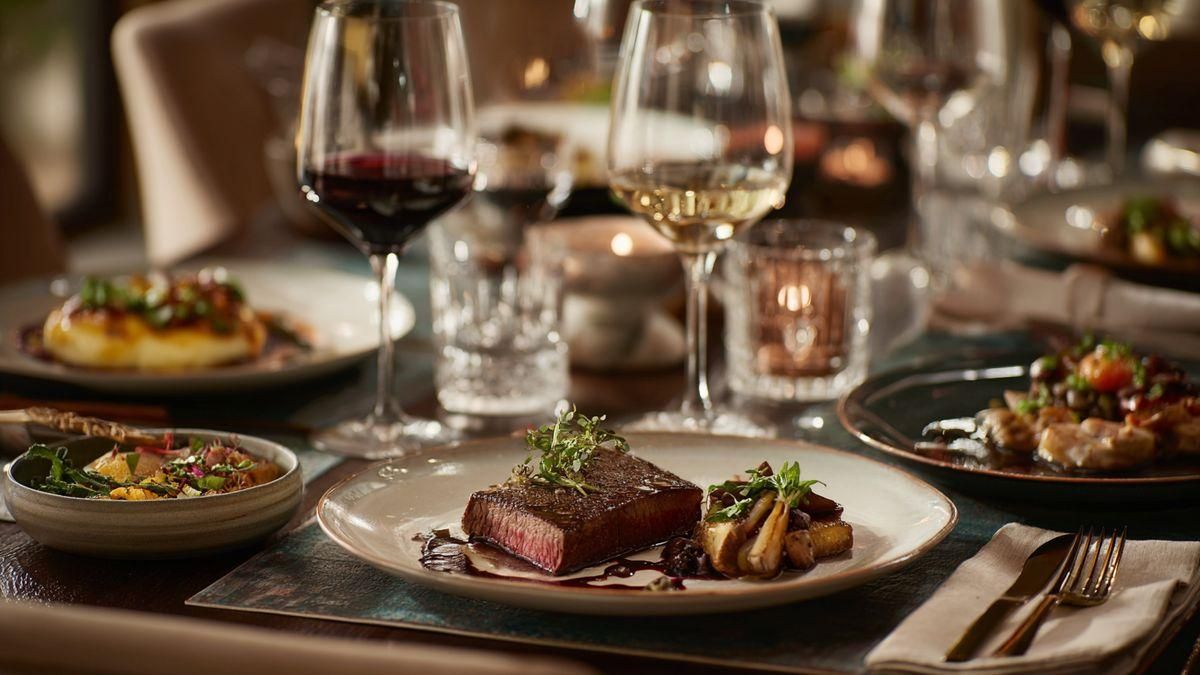
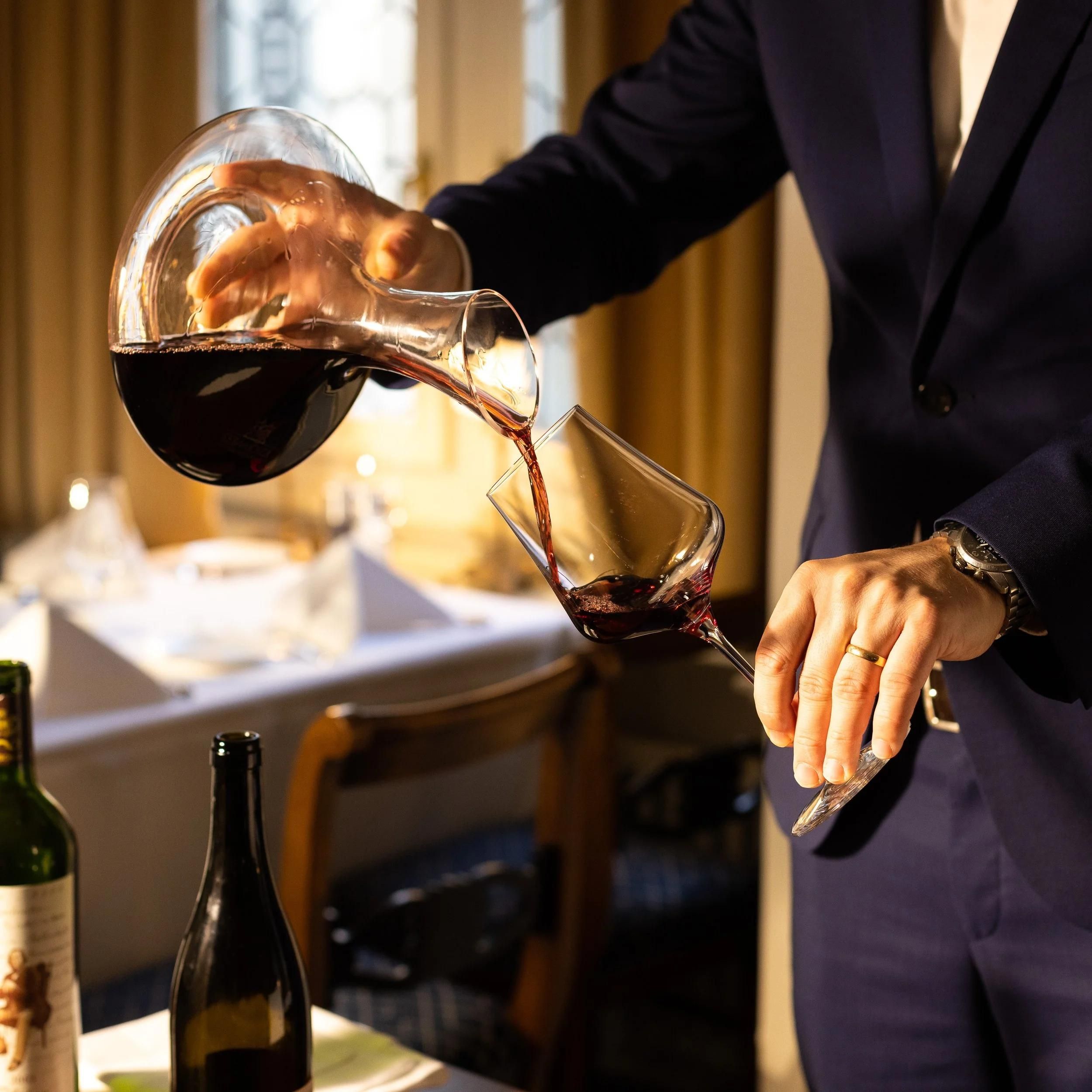
Decanting: Know Why You're Doing It
Decanting isn't something you do simply because a bottle looks impressive on the table.
There are two primary reasons to decant wine: aeration and sediment removal.
Young, powerful wines can benefit from exposure to oxygen. Decanting can help open aromas, soften the perception of tannins and allow the wine's fruit and other characteristics to become more expressive.
But not every young wine needs extensive aeration. Some delicate wines can actually lose their freshness if exposed to too much oxygen.
Older wines present a different reason for decanting.
They can develop sediment over time. Sediment isn't necessarily a flaw; it is a natural result of aging. Carefully pouring the wine into a decanter allows the sediment to remain in the bottle rather than ending up in the Member's glass.
Before decanting, ask yourself why you are doing it.
Is the wine young and powerful? Is it mature and likely to contain sediment? Is it delicate? How long should it actually be exposed to air?
Most importantly: will decanting improve the experience?
The best wine service isn't about performing a ritual. It is about making the wine better for the person drinking it.
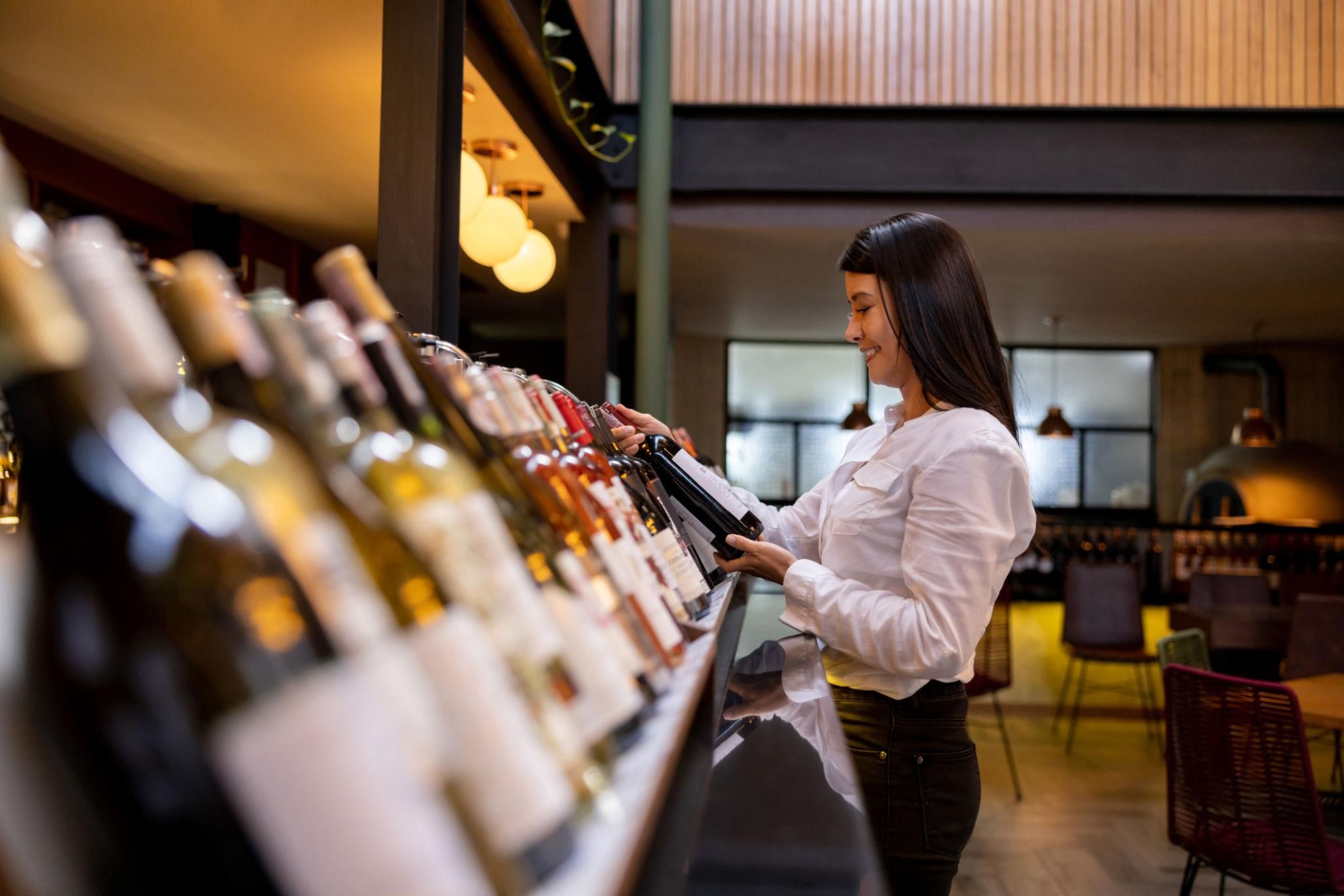
Confidence Comes from Tasting
Wine knowledge isn't something you memorize in one afternoon.
It develops through tasting, studying, asking questions, talking with producers and suppliers, listening to experienced wine professionals and paying attention to what your Members enjoy.
Taste the wines on your current list.
Don't just memorize the tasting notes. Ask yourself: What does it actually taste like? Is it crisp or soft, light or rich, fruity or earthy, dry or sweet, high or low in acidity, tannic or smooth? And does it have a short or lingering finish?
Once you understand those characteristics, recommending wine becomes much easier.
You don't need to know every wine-producing region in the world. You need to know the wines you're putting in front of your Members.
And keep tasting.
Build the Wine Program for Your Members
This may be the most important lesson of all.
You are not building the wine list for your personal taste.
You are building it for the people who buy and drink the wine.
Pay attention to what sells, what gets reordered, which price points perform, which grapes Members recognize, which wines receive positive feedback and what Members ask for that you don't currently carry.
A great wine program listens.
The list should also complement the kitchen. Crisp whites can work beautifully with seafood, high-acid wines with rich or creamy dishes, rosé with lighter seasonal fare, medium-bodied reds with poultry and pork, and bold reds with steaks and hearty dishes.
And whenever appropriate, tell a story.
Including wines from nearby or regionally relevant producers can give Members something distinctive while supporting the surrounding wine community.
At the end of the day, Members should feel they are receiving value—not simply paying a markup.
The Real Secret
If you remember nothing else, remember this: serve wine at the right temperature, present and pour it with care, never overfill the glass, follow the guest's pace, and let the host taste before serving the table. Know the wines you pour, recommend based on the Member's preferences, pair wine and food by weight, acidity, sweetness and intensity, and know why you're decanting before you decant. Above all, keep learning.
But here's the thing I've learned after years behind the bar: exceptional wine service isn't about showing the Member how much you know. It's about using what you know to make their experience better.
The best wine professional isn't necessarily the person who can recite the most regions, grapes and vintages. It's the person who can listen when a Member says, “I want something really good, but I don't know what I want,” and confidently respond:
“Tell me what you're having for dinner, what you normally drink, and what you'd like to spend. I'll take it from there.”
That's wine service.

Contact Info
 | 1401-2045 Lake Shore Blvd. W. Toronto, ON M8V 2Z6 |
 | (416) 878-6066 |
 | admin@cmacontario.com |
About Us
The Ontario Branch of the CMAC has more than 80 clubs, mostly private golf, yacht, athletic and city clubs located in central and southern Ontario between Brantford on the West and Belleville on the East. At over 250 members, it is the largest Branch in CMAC and offers tremendous value for members through professional development, excellent opportunities for networking, promotion of club management as a career, and support through scholarships and donations.
Follow Us!


© Club Management Association of Canada - Ontario Branch. All rights reserved.